
Corporate Governance
Corporate Sustainability
Rule XI: Focus on the Importance of Social Responsibility
A summary of the development of a policy that ensures a balance between each of the company’s goals and society’s goals
A summary of the development of a policy that ensures a balance between each of the company’s goals and society’s goals.
The Board continues to have a strong oversight into Zain’s Sustainability strategy to ensure the organization creates positive sustainable value for all, focusing on long-term strategies that encompass financial performance, societal impact, and climate action.
2025 marks the completion of the company’s 2020-2025 Corporate Sustainability strategy. This year highlights an important milestone to reflect on the progress made in achieving the strategy’s mission to create systemic change that leads to socio-economic and environmental development.
Throughout the year, the company achieved an ‘A’ score in CDP Climate Change 2025 disclosure cycle. This leadership score reflects Zain’s strengthened commitment to climate action, supported by a comprehensive governance structure, enhanced risk management, and clearly defined decarbonization initiatives aligned with global standards.
Zain also initiated the implementation of its Waste Management compliance framework across all operating companies to embed clearly identified internal control mechanisms to track, monitor and ultimately eliminate waste by 2030.
By migrating its sustainability KPIs onto a sustainability data monitoring cloud solution, Zain was able to track, manage and report on ESG metrics effectively. The company also reinforced its commitment to transparency by extending reasonable assurance to its Scope 3 emissions, in addition to the continued assurance of Scope 1 and 2 emissions.
To ensure the proper implementation of the Zain’s sustainability strategy across all its operating companies, the company set multiple policies in place that help align, unify, and set clear rules and expectations on how decisions are made which include the following available on the Zain Group Website:
- Corporate Sustainability Policy
- Human Rights Policy Statement
- Code of Conduct
- Supplier Code of Conduct
- Climate Change Policy
- Data Protection and Privacy Policy
The Corporate Sustainability department is responsible for setting the direction and strategic objectives along with the necessary processes and procedures across all aspects of the company and its value chain. It is also accountable for ensuring that the Corporate Sustainability Policy is upheld and effectively implemented by monitoring compliance and providing guidance to relevant stakeholders.
Zain’s Corporate Sustainability (CS) Policy is guided by its CS principles that aim to embed socio-economic and environmental considerations into business decisions in addition to managing various internal and external pressures that the organization faces with the aim of creating long-term value for all stakeholders.
The principles defined in CS Policy tackle different aspects that include the following:
- Addressing socio-economic deficits and promoting development
- Alignment with the company strategy
- Climate change
- Stakeholder engagement
- Company alignment with universal principles and global best practices
- Promoting the company brand
- Lobbying for public policy
An overview of the programs and initiatives under Corporate Sustainability
Under Zain’s CS strategy 2020-2025, the company continues to establish programs that help support the achievement of strategic targets. More information can be found in the Sustainability Report and the Corporate Sustainability section of the Annual Report.
Climate Change
Climate change remains a material risk across the Middle East and North Africa (MENA), where rising temperatures, water scarcity, extreme weather events, and ecosystem degradation increasingly affect communities, infrastructure, and economic stability. Addressing these challenges requires resilient infrastructure, stronger governance, responsible resource management, and sustained multi-stakeholder collaboration.
In 2025, Zain continued to advance its climate action agenda as part of its Corporate Sustainability strategy, maintaining momentum toward its Science Based Targets initiative (SBTi)-approved net-zero commitments. Progress focused on expanding renewable energy solutions, improving energy efficiency across network operations and facilities, strengthening water-risk assessments, and integrating biodiversity and waste-management considerations into operational planning. A key milestone was the launch of Zain’s Climate Transition Plan, providing a phased and practical roadmap to achieve net zero in line with global standards.
Kuwait
- Zain Kuwait has experienced a modest deviation from its projected emissions reduction trajectory. This variance is primarily attributable to the rollout of a new 2.6 GHz layer within the 5G network, which temporarily increased energy demand during the expansion phase. To address this impact, a comprehensive acceleration plan is being implemented, centered on an intensified portfolio of energy efficiency initiatives over the next three to four years. These measures are designed to realign performance with the long-term decarbonization pathway and ensure the achievement of the company’s 2030 emissions reduction targets.
- To mitigate these challenges and enhance power stability, Zain Kuwait connected over 11 sites to the commercial grid, upgraded 121 to efficient DC power solution, installed 80 inverter-based cooling units installed, and implemented 70 units of new battery technology throughout the year.
- Zain Kuwait continued its 27-year collaboration with the Kuwait Dive Team to protect marine ecosystems. Activities included reef monitoring and large-scale marine waste removal. Coral health monitoring was supported in collaboration with CoralWatch, a global citizen science program run by the University of Queensland. During 2025, 180,000+ KG of Marine Waste was removed.
Bahrain
- Zain Bahrain delivered substantial emissions reductions through a series of targeted operational improvements. The operation converted 140 indoor sites to more energy-efficient outdoor configurations, reduced reliance on diesel generators, and expanded grid connectivity to an additional 15 sites. Furthermore, 35 sites were shared with other entities, enabling reductions in active infrastructure, cooling requirements, and overall capacity optimization. Despite structural constraints limiting large-scale renewable energy integration, Zain Bahrain surpassed its annual emissions-reduction targets.
- Through a dedicated plastic waste management campaign, Zain Bahrain successfully recycled 331 KG of plastic since the initiative’s inception.
- Reinforcing its commitment to digitalization and further embedding paper-efficient practices throughout its operations, Zain Bahrain launched its reduction campaign that brings together cross-department stakeholders and a third-party recycling partner to responsibly clear inherited paper waste by ensuring that all disposed of papers are audited and recycled. 100KGs of papers registered in the document registry and recycled.
Iraq
- Zain Iraq surpassed its 2025 annual emissions reduction targets by systematically addressing longstanding challenges associated with aging infrastructure and historical maintenance gaps. In partnership with TASC Towers, the operation deployed 562 battery hybrid solutions, complemented by the installation of an additional 144 solar–diesel hybrid systems by TASC Towers. Collectively, these initiatives delivered a 24.34% reduction in CO2 emissions relative to the 2020 baseline year.
Jordan
- Zain Jordan successfully maintained alignment with its 2025 emissions reduction target, supported by the implementation of a solar power allocation agreement signed with the local government. This initiative contributed to a cumulative emissions reduction of 86.50%, significantly advancing the operation’s decarbonization performance.
- Through the Refurbished Devices Initiative, which focuses on extending the lifecycle of Home Internet equipment and reducing electronic waste, an end-to-end process was set in place to collect returned devices from shops, transferring them to the central warehouse, restoring them through technical testing and refurbishment, and redistributing them for resale or replacement. To date, the initiative has successfully refurbished 6,670 devices.
Saudi Arabia
-
In partnership with Latis, Zain KSA successfully transitioned 262 sites to the commercial power grid, deployed 244 battery-hybrid solutions, and implemented six solar-hybrid systems to enhance energy efficiency and reduce emissions. For sites not yet transitioned to Latis, the company has outlined plans to replace existing shelters with energy-efficient outdoor cabinet configurations, further supporting its emissions reduction objectives.
Sudan
-
Amid the ongoing conflict in Sudan, the national electricity network has continued to experience severe challenges stemming from extensive infrastructure damage and persistent service disruptions, significantly affecting energy reliability. As a result, Zain Sudan’s emissions reduction trajectory has been materially impacted, placing performance well behind planned targets. To mitigate these constraints and enhance power stability, the operation connected more than 23 sites to the commercial grid and installed one solar–diesel hybrid system, supporting incremental improvements in energy resilience under highly constrained conditions.
South Sudan
-
Zain South Sudan faced severe flooding and prolonged periods of heavy rainfall throughout 2025, which significantly disrupted large portions of its network infrastructure. Despite these challenging conditions, the operation implemented substantial measures to mitigate climate-related impacts and strengthen energy resilience. These actions included transitioning 19 sites to the commercial grid, converting grid-dependent locations to battery-hybrid solutions, and installing 7 solar systems across diesel–generator hybrid sites.
Operating Responsibly
1. Disclosure and Reporting
- Zain monitors the progress of the targets set in its sustainability strategy through its business plans, operational reviews, quarterly meetings, and other stakeholder engagement mechanisms.
- In 2025, the company migrated its sustainability KPIs into a sustainability data monitoring cloud solution to help the company, track, manage and report on ESG metrics effectively.
- Zain also reinforced its commitment to transparency by extending reasonable assurance to its Scope 3 emissions, in addition to the continued assurance of Scope 1 and Scope 2 emissions.
2. Supply Chain Management
Zain adopted a robust supply chain management strategy designed to identify and mitigate sustainability risks while ensuring that all suppliers comply with its ESG and supply chain standards. This approach fosters responsible practices across the value chain and helps minimize reputational and human rights risks.
3. Data Privacy
Throughout the year, each of Zain’s operations finalized its plan on data privacy programs and identified the target segment. Sudan could not finalize its plan due to the ongoing civil unrest in the country.
The process is as follows:
Adhere to Zain’s suppliers code of conduct,
and human rights statements
Complete Zain’s training video available
on the website and complete feedback form
Complete Zain’s
self-assessment questionnaire
Complete physical audit
for high-risk suppliers
- Zain Bahrain, in collaboration with its fintech arm Bede, hosted a financial literacy session for members of the Al Hekma Retired Society. The session introduced participants to the concept of micro-loans and guided them on managing personal finances through digital platforms reaching 80 retirees.
- In 2025, Zain Iraq hosted a series of data privacy awareness sessions targeting university students, reaching a total of 335 participants. The topics include protecting personal information online, understanding data protection regulations, risks associated with data breaches and practical steps to secure digital presence and maintain confidentiality.
- Zain Jordan continued its partnership with Al-Amaal Center through the T-Talk Initiative at the Jerash (Gaza) Refugee Camp, empowering refugee youth through digital and cultural exchange. The program delivered 300 interactive sessions, training 27 youth (23 females, 4 males) and reaching 4,222 beneficiaries.
- The Data privacy awareness program, launched in Zain Kuwait provided three sessions two for security staff and one for cleaning and hospitality staff to strengthen digital inclusion among third-party personnel. The sessions featured translated materials, task-specific content, and local cybersecurity insights, with participants receiving certificates of completion reaching 94 participants.
Inclusion
Under its inclusion pillar, Zain focuses on the following segments:
Elderly community
- Zain Iraq hosted 30 older adults at its headquarters for a hands-on session on mobile and social media applications to help them stay connected with their families. In parallel, Zain Iraq launched a social media campaign highlighting the challenges faced by older adults. The campaign reached over 1.3 million users, raising public awareness and strengthening understanding of their needs.
- Zain Kuwait conducted cybersecurity awareness sessions for 15 participants, all of whom were parents of Zain employees, as part of the ‘You Are the Blessing’ initiative. The event also featured a dedicated health and wellness talk delivered by a medical expert, providing participants with valuable insights to support their overall wellbeing.
- In South Sudan, the elderly program delivered practical digital literacy training to 140 elderly participants (60 women and 80 men) in remote villages, covering basic mobile functions, internet use, and mobile money applications to help them stay connected and access essential services. To improve digital access, 120 solar power banks were distributed, strengthening awareness of Zain’s products and services while supporting increased customer loyalty and additional sales during community outreach activities. Complementing these efforts, 500 elderly individuals (300 women and 200 men) were registered to receive solar power solutions for Protection of Civilian camps and remote villages, enhancing their ability to charge mobile devices and access essential digital services.
People with disabilities:
- Zain Jordan enabled real time sign language interpretation for deaf customers in Zain’s retail outlets and Jordan International Airport. It also delivered a national Assistive Devices Hackathon, engaging 128 applicants, supporting 30 teams, and producing 9 inclusive prototypes for people with disabilities
- Zain KSA continues to promote its core bundle for PwDs, Lifetime, which provides 50% discount. It counted 840 subscribers in 2025.
- In Sudan, the company expanded its PWD inclusion initiative by creating a verified database of over 23,000 registered PWD mobile numbers, collected through disability unions, online forms, shop registrations, and WhatsApp support. The database enabled 100 free call units provided to all registered individuals on the International Day of Sign Languages.
Women in technology
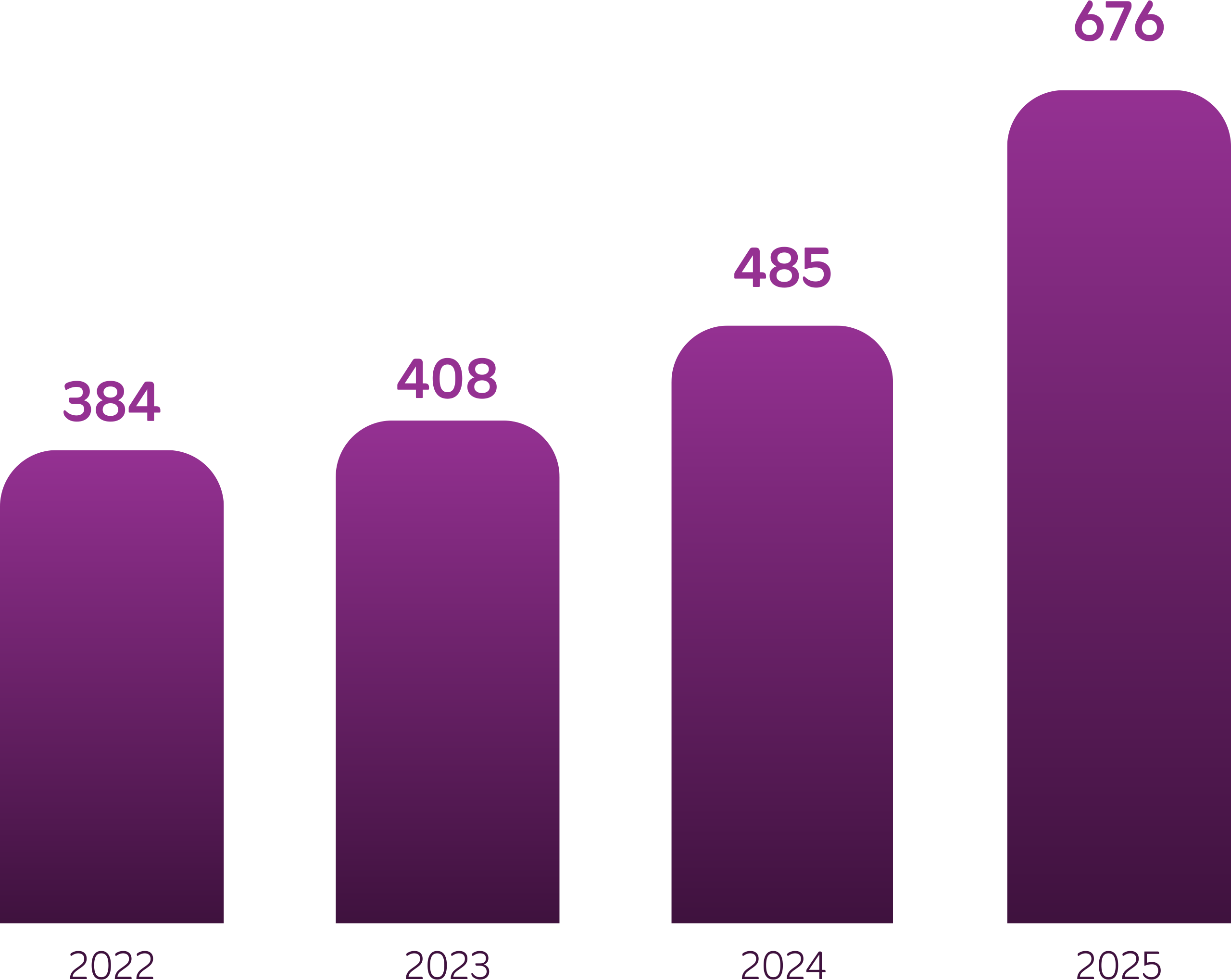
In 2025, Zain continued to expand and strengthen its flagship WiT program, building on the foundations established in previous years. The program’s core objective remains to introduce recent female graduates to diverse STEM-related career pathways by pairing participants with experienced mentors across Zain’s operations, providing hands-on guidance, exposure, and professional development.
Women in Tech 2022 – 2025
Generation Youth:
Zain recognizes the critical role of youth inclusion in the Middle East and Africa (MEA), where high youth unemployment and widening digital skills gaps persist amid a rapidly growing, young population and an accelerating shift toward digital economies.
Child Online Safety:
Zain is continuing in its Memorandum of Understanding (MoU) with Child Helpline International (CHI), supporting child helplines across its operations. In its third year, this partnership focused on offering support through mobilizing and facilitating child helpline services, alongside physical roadshows.
- In 2025, Zain Kuwait continued supporting the 147 Child Helpline with KNCPP through targeted awareness initiatives, including an animated video and school roadshows engaging 50+ participants from 6 schools, strengthening access to child support services.
- Zain Jordan expanded nationwide awareness of the Child Helpline through an SMS campaign reaching 100,000 individuals, complemented by radio and TV interviews and a social media campaign generating 127,000+ views.
- Zain KSA promoted child protection and online safety through digital and on-ground activities, achieving 65,194 social media impressions and reaching 443 children through 10 awareness sessions focused on bullying and children’s rights.
Digital Literacy:
- Zain Kuwait continued to advance youth digital empowerment through its support of Academy X and Kuwait Codes, two flagship programs delivered in partnership with CODED. Kuwait Codes introduces high school students to programming and emerging technologies through specialized technical tracks, while Academy X, a non-profit initiative, focuses on equipping young women with essential digital, design, and entrepreneurship skills. Together, these initiatives fostered a strong pipeline of digital talent, culminating in the graduation of 1,288 students in 2025.
- In 2025, Zain Iraq recorded 586,504 users on the Zain Kids platform significantly expanding access to digital literacy content for children and families. In parallel, the company supported future workforce readiness by enabling 200 youth to apply for CISCO digital skills courses through the Raqami platform, further reinforcing Zain Iraq’s commitment to empowering young people with essential digital competencies. Zain Iraq also conducted bullying and cyberbullying awareness sessions for primary school students in Basra and Baghdad reaching 670 students in 2025.
- In partnership with the Whitaker Peace and Development Initiative, Zain South Sudan advanced digital inclusion by supporting large-scale ICT capacity-building youth across five states. A total of 1,725 participants (629 women and 1,096 men) were trained in core computer applications including Microsoft Word, Excel, PowerPoint, and internet navigation through Community Learning Centers in Juba, Torit, Yambio, Maridi, and Nimule.