Zain's Human Rights Impact Assessment

Zain's Human Rights Impact Assessment

Zain is committed to the fundamental values of human rights, adherence to relevant laws and regulations, and the overall welfare of the communities it serves and beyond. In fulfillment of its societal responsibilities, the company continues to adopt an inclusive business approach centered on upholding human rights standards and principles.

The company’s strategic approach towards its human right policies aligns to international standards and best practices. Zain’s commitment to the United Nations Guiding Principles (UNGP) on Business and Human Rights principles in 2016 demonstrates its determination to maintain best practice standards throughout its operations. Zain follows the UNGP for guidance on human rights policies and became a member of the UN Global Compact in 2022, aiming to contribute to the overarching goal of upholding, safeguarding and promoting human rights within business operations and supply chains.

Identifying risks

To mitigate any risks associated with human rights, Zain identifies the most relevant human rights issues, primarily through comprehensive stakeholder engagement. Additionally, insights from leading industry associations, data analytics platforms, industry analysts and Environmental, Social, and Governance (ESG) indices are taken into consideration to gain a better understanding of the challenges and deficits in Zain’s markets.

The company evaluated potential human rights impacts of its products, services, activities, and policies by conducting its first Human Rights Impact Assessment (HRIA) to identify and mitigate any potential negative impacts and enhance the positive ones.

Our priority topics for Human rights are assessed across functions and processes, highlighted in the following diagram:

Zain’s Human Rights Priority Topics

1. Children’s Rights and Online Safety:

The Middle East and North Africa (MENA) region is considered behind the rest of the world when ensuring child safety both online and offline. More than (8 in 10) children experience violent discipline at home and around half experience some form of bullying or corporal punishment in schools. This has led to (1 in 4) adolescent deaths in the regions to be caused by collective punishment, such actions can include general negligence and physical abuse. The lack of legal protection against child abuse in the region has perpetuated the issue thus far.

30% of the online space in the MENA region is by children under the age of 18. Leaving many vulnerable to potential harassment, sexual abuse, or other forms of exploitation, without the proper mechanism to protect their online experience. Research by the Economist found that 44% of children in the MENA region faced some form of sexual abuse, that would entail online harassment, stalking, grooming, and the exposure of inappropriate content, these acts primarily takes place online with the potential to transition to a physical experience. Such abuses can be extremely harmful to a person’s emotional state , leading to feelings of anxiety, anger, low self-esteem, depression, suicidality, and PTSD. To ensure the safety of children, various factors need to be set implementing a regulatory framework to protect children online, educating the public, and making child helplines accessible to report on malicious actors.

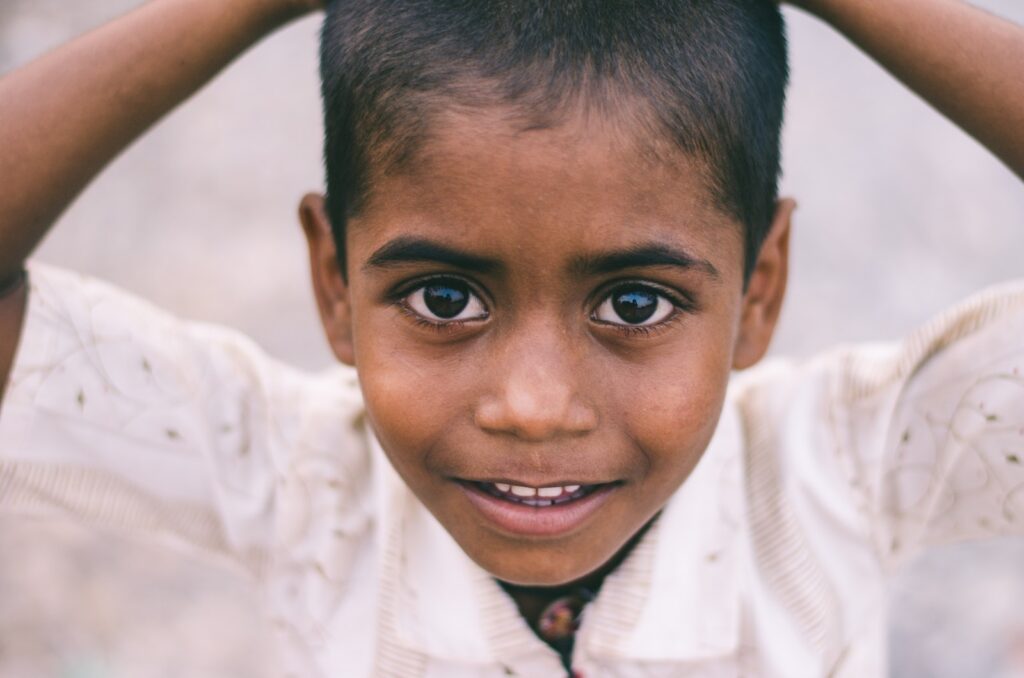
boy in white button up shirt smiling

Zain’s Approach:

The company’s activities are geared towards building, creating and supporting ecosystems that foster the well-being of young people to ensure sustainable, inclusive growth and social cohesion in the region. The below provides some examples of Zain’s activities that foster and develop children’s rights across Zain’s markets:

  • Zain is committed to ensuring Children’s Rights and Online Safety by providing the solutions required to safeguard a child’s experience while using the internet. Working with various partners to produce platforms and regulations to protect the physical and mental well-being of children both utilizing the services provided by the company. Thus far, Zain produced a social media campaign titled ‘Internet Monsters’ to educate children and caretakers about the risks children might face when online. It has successfully reached 66.3 million people across Zain’s footprint.
  • Zain also launched ‘Project Arachnid’ alongside the Canadian Center for Children Protection. An API software intended to locate and reduce Child Sexual Abuse Material (CSAM) across Zain’s networks. It has been implemented in all countries Zain is operating within, except for South Sudan who have implemented a similar network to detect and erase CSAM through the organization called Internet Watch Foundation’s Solution.
  • Zain expanded its MoU with Child Helpline International (CHI) to allow access for child helplines across the company’s footprint. In doing so, Zain aims to utilize this partnership to facilitate and support child helplines throughout their countries of operation in the MENA region.

2. Products and Services:

Increased public consciousness and stakeholder understanding of how the creation, distribution, marketing, and logistics of products and services may impact individual’s  rights applies pressure on organizations to comply with the United Nations Guiding Principles on Business and Human Rights standards. These requirements make it incumbent on companies to identify, avoid, prevent, and mitigate adverse human rights impacts potentially associated with their products and services. As such, these practices are meant to ensure that the organization acts in accordance with international best standards on respect of human rights, and to promote behavior consistent with best practices stipulated by the UNGP.

The United Nations Guiding Principles on Business and Human Rights (UNGP) requires companies to conduct human rights due diligence across their entire value chain including the downstream value chain. Assessment includes understanding possible results that could occur during design, development, promotion, deployment, sale, licensing, or the use of a product or service.

Products and services could be inherently incompatible with international human rights standards and must be assessed or verified prior to release. For example, the use of live facial recognition software, when in the hands of malicious actors to probe and surveil civilians could negatively impact their right to privacy. Another example is ensuring that raw material such as tin, magnesium, 3tg, and others critical components to producing certain goods are not sourced from conflict ridden areas, as such activities could be linked to human rights abuses.

green plant in close up photography

Zain’s Approach:

Zain is a committed signatory of the UNGP and conducts regular assessments of its activities to ensure that its products and services comply with national and international regulations. In addition, the company makes certain that its activities do not negatively impact the health or safety of all stakeholders involved, including employees, contractors, subcontractors, customers, supply chain workforce, and the broader community.

The company upholds its commitment to ensure that all products and services are developed through a structure that evaluates the impact that may be incurred when introducing new technologies into the market. Zain implements its Environment and Social Management Plan (ESMP) to help minimize potential environmental, social, and economic impacts that may be associated with Zain’s operational infrastructure. The framework provides Zain with the proper methodology to conduct internal monitoring measures to track environmental performance. Therefore, the company created mitigation measures that can be incorporated into projects to ensure appropriate design criteria and good construction are being implemented. ESMP procedures are to be incorporated into the standard procedures of all operations under the guise of Zain and of associated contractors, in order to comply with local and international standards and regulations.  

All environmental requirements concerned with the production, distribution, and marketing of products and services through Zain are thoroughly checked to ensure compliance with national and international standards as well as Zain’s compliance framework. As such the company’s product design process takes into consideration climate-related considerations such as energy use and end of life disassembly for repair or reuse.    

3. Discrimination:

Discrimination amongst race, gender, nationality, or ethnicity is an intolerant act that could directly or indirectly harm individuals’ performances within an organization and create unforeseen issues that could impact an organization’s output and culture.

Such biases would invariably create stagnation, promote hostility amongst different individuals, disregard innovative thinking in favor of the status quo, and severely limit promotion based on a meritocratic system. The perpetuation of discriminatory practices or acts can hinder an organization's collective output considerably, leading to poorer performances and a culture of favoritism. Without strict guidelines to oppose organizational or individual acts of discrimination, it will foster obstructive behavior throughout an organization's apparatus. On an individual level, such policies can have the severe effect of reducing a person’s ability to climb the socioeconomic ladder, create stress and anxiety, and potentially hamper their future prospects. From which many individuals may experience repercussions to their mental health, as this could take a toll on their self-confidence, reduce job satisfaction, and can lead to feelings of resentment and anger. Similarly, discriminatory policies based on gender can inhibit the ability of an organization to garner the best talent available and deny women their fundamental human rights which could lead to legal repercussions. Gender discriminatory policies and acts such as reduced wages for women, increase sexual harassment, or preferential treatment towards male employees need to be addressed and resolved promptly. Above all, it is important to ensure a meritocratic culture within the organization and to protect a company’s reputation from claims of malpractice or discriminatory activities.

man using MacBook

Zain’s Approach:

Zain opposes all forms of unlawful and unfair discrimination. The company published a policy set up to address the importance of a diverse board employing the unique identities, skills, and experiences of its members in a way that collectively benefits the company. Multiple channels are maintained by Zain to ensure that employees, if needed, may report violations of their labor rights, or are subjected to mistreatment. Updates are regularly conducted to ensure that Zain stays up to date with modified policies and procedures, and regularly communicates these changes through internal channels. The company also monitors any incidents related to discrimination and assesses the corrective actions to be taken to address any cases across its operations.

Zain’s code of conduct explicitly requires that any business dealings are to be taken up with honesty, integrity, and fairness. As such, all business partners, intermediaries, and agents are expected to abide by the aforementioned principles when conducting themselves with or alongside Zain Group or its subsidiaries. These commitments have been adopted by Zain in alignment to best practices set by the United Nations Universal Declaration of Human Rights and the International Labor Organization.  

Several initiatives were undertaken by Zain to increase female participation in its labor pool. Striving to increase the number of women to its workforce to 25% by the year 2025, as well as promote more women to senior management positions throughout its operations. Such initiatives include WE, which aims to tackle the gender gap within the company and promote more women into senior positions. Other initiatives include WE ABLE, which similarly strives to provide jobs for people with disabilities while ensuring that any requirements needed by such individuals are met in order to provide a comfortable environment to work in.

4. Fair and Safe work environment:

The right to a fair and safe work environment is of critical importance as indicated by the UN General Assembly and the International Labor Organization. Stipulating that all employees, contractors, and laborers are entitled to a work environment free from danger to hazardous materials, inhumane treatment, or unsafe working conditions. As such, labor conditions must satisfy both national and international guidelines to ensure the safety of all employees involved including those of third-party organizations.

The varying principles meant to protect the rights of laborers instituted by international governing bodies at hand insist that a safe and healthy working environment is critical to respect the human right and dignity of all laborers involved. Failure to comply would be in gross violation of the fundamental human rights of individuals involved in such endeavors. To promote higher level of fairness and safety in the workplace, companies should ensure the elimination of toxic or other hazardous materials as much as possible, to properly train and equip employees over safety procedures, provide visual safety aids and messages in an inclusive manner, and finally to create an internal safety committee.

black smartphone near person

Zain’s Approach:

Zain’s Human Rights Policy complies with national and international guidelines meant to ensure the health and safety of all employees, contractors, or laborers involved in projects designated by the company. Zain insists that all its employees should be treated with dignity, respect, and fairness. As such, should not be subjected to harassment, discrimination, or inhumane treatment.

Zain ensures that all its activities follow the guidelines implemented by the United Nations General Assembly, International Labor Organization, and Zain’s Environmental and Social Management Plan, making sure that it follows best practices, and provides employees a safe and inclusive work environment. It also insists that it sets the same standards for its suppliers, implementing oversight mechanisms to uphold standards expected of Zain and its business partners.

Zain’s base stations throughout its geographical footprint similarly follow best practice standards set by both national and international guidelines as well as adhere to the company’s ESMP plan. Ensuring that all employees are safeguarded from exposure to electromagnetic fields, radiation, and other potentially harmful exposures. As working in such an environment could prove hazardous for the employees or contractors, Zain ensures that all safety precautions are taken to protect the lives and well-being of all operators involved.

5. Diversity Equity and Inclusion:

Human rights are the fundamental principles that recognize the inherent dignity and worth of every individual, regardless of their background, and provide the foundation for an equitable society. Embracing diversity and promoting inclusion in the workplace aligns with these principles and contributes to the goal of an inclusive community.

Applying DE&I principles and practices across an organization leads to protecting human dignity and social progress, ensuring non-discrimination, representation, equal opportunity, and finally to nurturing economic and personal development. These are critical pre-requisites needed to fully embrace the importance of human rights, without which individuals would not be able to live a full and prosperous life.

Promoting diversity, equity, and inclusion in the workforce from a human rights perspective aligns with the principles of equality, non-discrimination, and human dignity. It not only benefits individual employees, but also leads to better organizational performance, innovation, and fosters an equitable organization and society.

balls, marbles, round

Zain’s Approach:

Zain continues to proactively promote diversity, equity, and inclusion to foster social stability, further economic development, and gain access to a larger set of potential employees. These initiatives aid Zain in launching strategic group wide initiatives and creates greater awareness to nurture a diverse and inclusive culture.

  • WE – To tackle gender gaps within the company.
  • WEABLE – Addressing people with disabilities in the workplace.
  • ZAINIAC – To promote internal innovation.
  • BEWELL – Promoting mental health and well-being.
  • ZY – Empowering young Zain employees through skills development.
  • Reach – Embed a mentoring culture within the organization.

Zain’s commitment to improving its application of the principles of diversity, equity, and inclusion vastly improved the culture of inclusivity within the organization. To be able to tackle issues as consequential and varied as the issues pertaining to the gender gap or addressing the needs of people with disabilities became a benchmark goal for the whole organization. From which, Zain aims to influence others to similarly adopt a more inclusive and diverse culture within their organizations.

6. Slavery and Human Trafficking:

Slavery and human trafficking is a severe violation in modern societies, and addressing these issues in the workforce is of paramount importance from a human rights perspective. These exploitative practices are in direct contradiction to the principles of dignity, freedom, and equality, that was dictated by the United Nationals Declaration of Human Rights.

Estimates configure that around 1.7 million men, women, and children are currently living under some form of modern slavery within the MENA region. The majority of those inflicted are usually migrants from South Asia, Southeast Asia, and Africa. These practices range from forced labor and forced marriages, and include squalid living conditions, inability to exit the country without permission, forced seizure of passports, debt bondage, failure to receive promised wage, oppressive working conditions, and physical or verbal abuse.

Making matters worse, Covid 19 significantly impacted the trade of modern slavery, increasing the risk of more innocent civilians getting caught in the practice due to severe economic strains. The risks included an increase on poverty as more workers were unable to get a job due to the lockdown and imposed quarantine regulations. Secondly, companies felt pressured to meet the demands of the market while also facing constraints with their workforce. This situation left people more susceptible to exploitative labor practices that included withholding salaries, reduced wages, and unsafe work environments. Finally, with the suspension of the education system, a significant number of children were exposed to abuses associated with modern slavery practices, such as child marriages or child labor.

All signatory nations and public or private organizations that operate in such countries are required to follow the statute stipulated by the Office of the United Nations Commissioner for Human Rights - OHCHR, on their firm stance against the ongoing practices of slavery, especially in its modern format. More specifically, resolution 6/14 of the OHCHR states that, “Reaffirming the Universal Declaration of Human Rights, which states that no one shall be held in slavery or servitude and that slavery, and the slave trade shall be prohibited in all their forms.”

tilt shift photography of gray steel chains

Zain’s Approach:

Zain is committed to eradicating slavery and human trafficking across its supply chain. Ensuring ethical and moral standards coinciding with OHCHR Resolution 6/14, forbidding the practice of slavery in all its forms is a critical component of Zain’s supply chain management direction.  Zain also ensures best practices are pursued throughout its supply chain when working with all its suppliers through various mechanisms that include adherence to Zain’s Supplier Code of Conducts, training suppliers on ethical practices, alignment to Zain’s Self-Assessment Questionnaire, in addition to conducting physical audits on the most vulnerable suppliers. The company created a specific training video focused on human rights and how to embed human rights principles across its supply chain. Zain also created a verification mechanism to ensure that its suppliers have watched and understood the content presented in the video.  


7. Privacy and Freedom of Expression

Freedom of expression is a fundamental human right, stated in article 19 of the Universal Declaration of Human Rights. Similarly, privacy is a prerequisite to maintain the core principles of freedom of expression. Especially relevant in the modern digital age, maintaining personal security, protecting identity, and promoting freedom of expression are essential components in ensuring the protection of human dignity and freedom of thought.

The GNI principles stipulate both the right to privacy and freedom of expression should be defended by signatories of such an agreement. Indicating that everyone should be protected from illegal acquisition of private data from either private companies or hacking groups and from arbitrary interference or surveillance from nation states.

Improper exposure of data or censorship of lawful freedom of expression are serious offenses that could diminish an individual’s human dignity and rights. It is mandatory upon corporations handling large amounts of people’s private data to ensure their basic freedoms are not infringed upon, while following the laws and standards of national and international law.

person using smartphone

Zain’s Approach:

Zain firmly believes that the right to access to communications and the right to privacy and freedom of expression are fundamental human rights, and the company is taking steps to ensure these rights are continuously upheld. Zain aligns to the principles of the Global Network Initiative (GNI) and indicated its intent to uphold the principles stipulated by their policy mandates.

Zain ensures that the proper processing of personal data is in place with the objective of respecting the fundamental human rights and freedoms of individuals, including the right to privacy. Zain tries to minimize the impact of government censors or restrictions that might be consistent with both national and international law standards.

Zain’s Personal Data Protection and Privacy Policy sets out the principles and guidelines for collecting, processing, storing, disclosing personal data in line with applicable laws and regulations. Zain’s core data protection principles include Respect for Privacy, Lawfulness, Data minimization, Accuracy, Retention, and Security. More information can be found in the below link: Data Privacy Policy.

Zain continues to place great effort to protect both employees and customers from malicious cybercriminals, by enabling a reporting system to streamline the disclosure of cyber-attacks or spam emails. As technology has improved through the years, Zain found it critical to implement cyber resilience onto its infrastructure to protect itself from ever evolving methods used by cyber-criminals. As such, Zain created a process where it would effectively identify, protect, detect, respond, and recover from potentially catastrophic cybersecurity threats. To achieve cyber resilience, Zain must effectively identify the risks, design robust controls and measure its effectiveness to be able to create a safe operating system.

Benchmarking Exercise

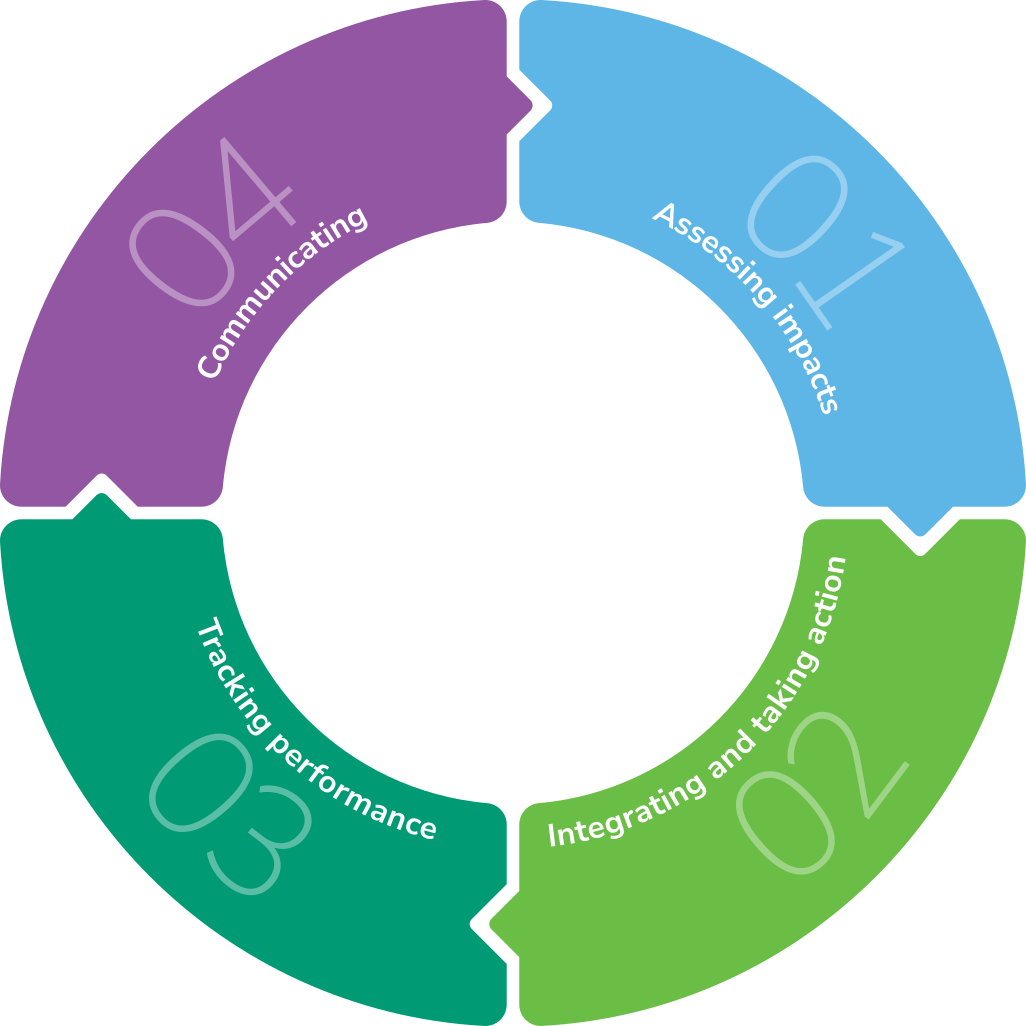
According to the UNGP, a HRIA is the first of four steps of the human rights due diligence process. The assessment identifies and mitigates any potential human rights impact of the business’ operations, products or/and services. The four steps of the human rights due diligence process include (1) identifying and assessing existing impacts, (2) taking preventative measures to mitigate risks that negatively impact communities, (3) tracking the effectiveness of risk mitigation responses over time, and (4) communicating the company’s performance when addressing human rights.

The Human Rights Due Diligence Process

Zain’s Human Rights Impact Assessment
Figure 1

An HRIA is a vital step in assessing the potential human rights impacts of a company. As part of Zain’s commitment to embed human rights risk assessment within its processes, the company conducted a comprehensive benchmarking exercise on Human Rights Due Diligence and Risk Assessment. The exercise consisted of analyzing the practices and procedures of 11 different companies within Zain’s industry to identify the sector’s best practices, frequency of assessment, and internal stakeholders involved in the process, identifying areas that need to be addressed. This step was essential in ensuring that the development of the company’s activities and policies are implemented in a manner that is consistent with international human rights standards and obligations.

The findings from this exercise enabled Zain to gather insights from various sources allowing it to tailor its own approach that better fits its markets and the communities it operates in.

Responsibility Matrix

Zain developed a cross-functional human rights matrix to efficiently track our performance in addressing human rights issues we believe are important. The matrix comprehensively outlines the human rights topics deemed significant, specifies the stakeholders concerned, and indicates the respective internal stakeholders assigned to ensure compliance with the company’s human rights policies.

Human Rights Identified

  • 1

    Labor Rights, Treatment and Safety

  • 2

    Public Safety

  • 3

    Customers’ Right to Data Privacy

    (information security)

  • 4

    Childrens Rights and Online Safety

Stakeholders

  • 1

    All Employees, Supply Chain

  • 2

    Network Equipment Providers, Employees, Supply Chain

  • 3

    Customers, Employees, General Public

  • 4

    Customers, General Public, Supply Chain

Involved Departments within Zain

  • 1

    HR, Procurement, Insurance, Corporate Security

  • 2

    Technology, Procurement, HR, Regulatory

  • 3

    Regulatory, Risk, Commercial

  • 4

    CS, Procurement, Technology, Corporate Communications

Zain will continue to work closely with all stakeholders involved under its human rights impact assessment whether its internal or external. Through cross collaboration the company aims to tackle both the positive and negative impacts of its activities on preserving the rights of its communities. In 2023, the company will embed human rights in its processes and ensure that it develops agile mechanisms that shift the company from complying to human rights to advocating for the rights of the communities it serves.